
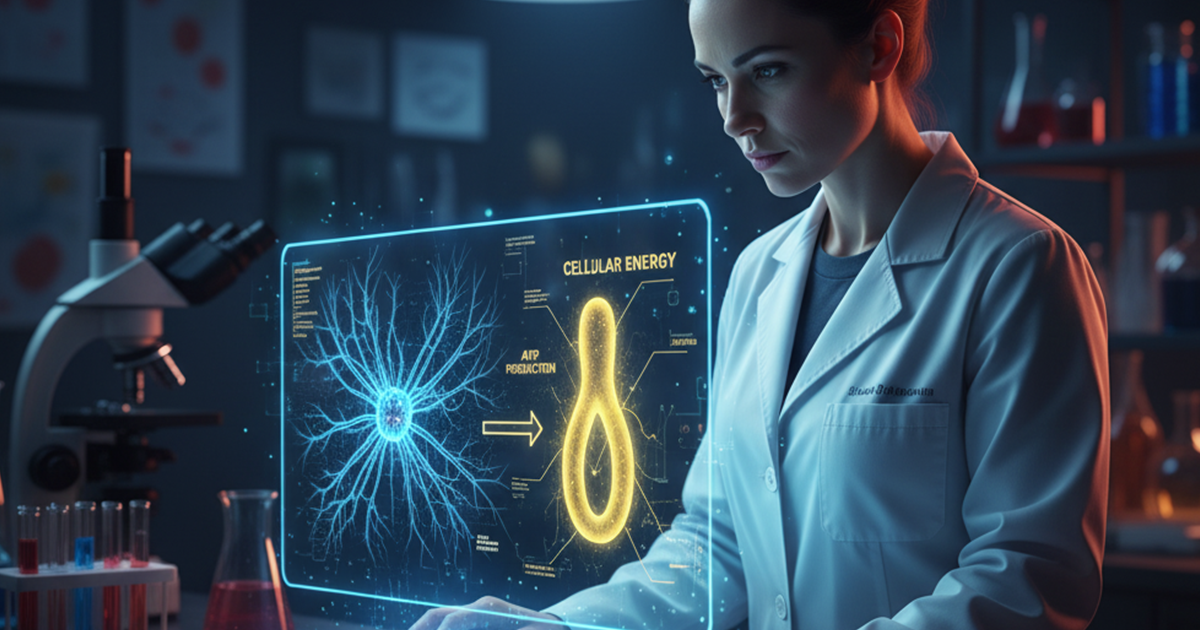
Understanding How Nerves Regenerate
Nerve regeneration might sound like science fiction, but it’s one of the most natural healing processes in the human body. Every nerve fiber is capable of repair when given the right environment—one rich in oxygen, energy, and blood flow.
At Premier Health Institute Los Angeles, our approach to neuropathy recovery is grounded in cellular science. We focus on restoring the body’s ability to produce energy at the cellular level, allowing nerves to rebuild their structure and reestablish communication naturally.
The Role of Cellular Energy (ATP) in Nerve Healing
ATP, or adenosine triphosphate, is the molecule that powers all cellular functions. Nerve cells use vast amounts of ATP to transmit signals and rebuild damaged fibers. When oxygen or circulation declines, ATP production slows down, and the nerves begin to malfunction.
This energy shortage leads to the typical symptoms of neuropathy: tingling, numbness, weakness, and burning pain.
Therapies that restore oxygen and circulation directly increase ATP production. With more cellular energy available, the body can begin rebuilding the myelin sheath—the protective coating around nerves—and restoring normal signal transmission.
The Connection Between Oxygen, Mitochondria, and Healing
Mitochondria are the “engines” of your cells, and oxygen is their fuel. Without sufficient oxygen, mitochondria can’t produce enough ATP to sustain nerve function.
This is why oxygen therapy is such a critical part of our program. By increasing oxygen levels in the bloodstream, we supercharge mitochondrial activity and accelerate healing. It’s not just about more oxygen—it’s about better oxygen utilization at the cellular level.
Our therapies are designed to improve both oxygen delivery and mitochondrial performance, helping damaged nerves regenerate faster and more completely.
How Circulation Supports Cellular Repair
Healthy circulation is what allows oxygen to reach the nerves in the first place. The tiniest blood vessels—called microcapillaries—feed the nerve fibers in your feet and hands. When these capillaries narrow due to diabetes, inflammation, or aging, oxygen delivery is cut off.
Our Circulation & Balance Therapy reopens these vessels and restores consistent oxygen flow. This process increases energy production and stimulates nerve tissue growth.
The Role of Red-Light Therapy in Cellular Energy
Red-Light Therapy is one of the most scientifically validated tools for increasing mitochondrial energy. The red and near-infrared wavelengths penetrate deep into tissue and activate a compound called cytochrome c oxidase—an essential part of ATP production.
The result is a natural increase in cellular energy and oxygen use. This process reduces inflammation, repairs the myelin sheath, and promotes regrowth of nerve fibers—all without pain or downtime.
Patient Story: Cellular Healing in Action
A 60-year-old Los Angeles patient came to our clinic with severe foot neuropathy after chemotherapy. Traditional medications offered minimal relief. After completing 10 weeks of oxygen, red-light, and circulation therapy, she regained over 70% of normal sensation.
She said, “It felt like my cells woke up. I could feel energy coming back into my legs again.”
How Inflammation Slows Cellular Energy
Inflammation is one of the biggest obstacles to nerve regeneration. When the body stays in a constant inflammatory state, it diverts energy from healing toward defense. The vagus nerve—your body’s natural inflammation regulator—controls this balance.
Through Vagus Nerve Activation Therapy, we help the nervous system calm down so that oxygen and energy can be redirected toward regeneration instead of stress response.
Supporting Cellular Energy Naturally
You can help boost your nerve energy at home through daily choices that support oxygen and mitochondrial function:
- Eat foods rich in antioxidants (blueberries, spinach, green tea).
- Get daily sunlight or use red-light panels.
- Practice deep breathing to increase oxygen absorption.
- Stay hydrated and move regularly to keep circulation strong.
- Sleep at least 7–8 hours per night to aid tissue recovery.
Frequently Asked Questions
Can nerves really regrow once they’re damaged?
Yes. As long as oxygen and energy levels are restored, nerves can regenerate and reestablish communication pathways.
How does ATP help with nerve repair?
ATP provides the energy required for rebuilding nerve membranes and conducting electrical impulses.
How long does nerve regeneration take?
It depends on the severity of the damage, but many patients begin to notice progress within 4–8 weeks of consistent therapy.
The Takeaway
Nerve regeneration isn’t about managing pain—it’s about restoring life to the cells that control sensation and movement. By improving oxygen flow, circulation, and mitochondrial energy, we help the body repair itself from within.
At Premier Health Institute Los Angeles, our therapies combine science-backed techniques to reignite the body’s natural healing process and bring relief to those living with neuropathy.