
Why inflammation matters in neuropathy
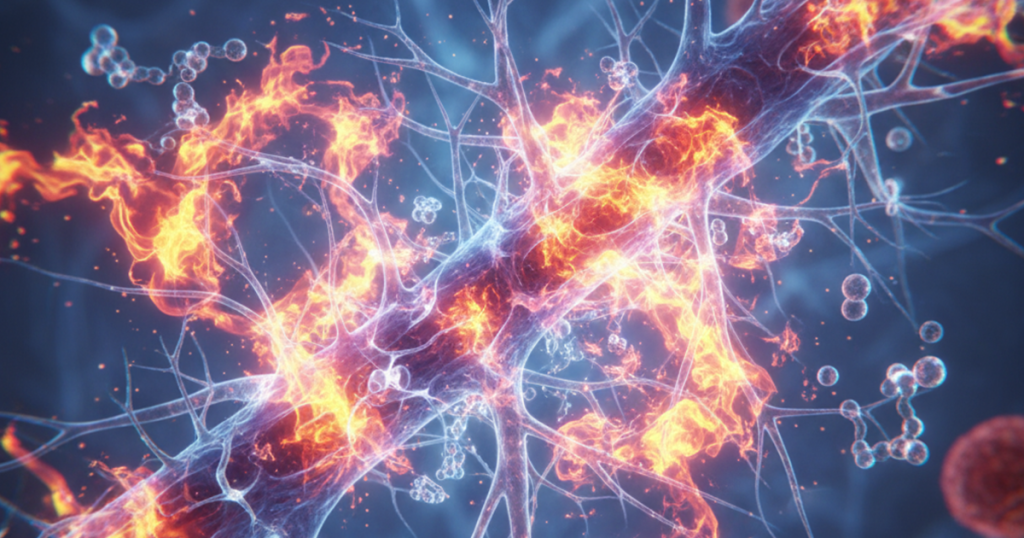
Inflammation plays a far bigger role in neuropathy than most people realize. While many patients assume neuropathy is only related to circulation or metabolic changes, inflammation is often the hidden force that irritates nerves, disrupts communication, and accelerates nerve damage. When inflammation becomes chronic, the nerves remain under constant stress. Over time this leads to stronger symptoms, slower healing, and reduced nerve resilience.
Understanding inflammation is essential for slowing neuropathy progression.
What inflammation actually does to nerve tissue
Inflammation is the body’s natural defense mechanism. But when it does not shut off, it harms healthy tissue. Chronic inflammation:
Irritates the nerve lining
Disrupts electrical signals
Reduces blood flow around the nerves
Slows nutrient delivery
Increases sensitivity to touch and temperature
These changes create the classic sensations of neuropathy, including tingling, burning, and numbness.
Chronic inflammation can damage nerves just as much as poor circulation.
Why the nervous system is sensitive to inflammatory changes
The nervous system is delicate. Even small shifts in inflammation can disrupt communication between nerves and the brain. When inflammation increases, nerves become more reactive and send exaggerated or distorted signals. This explains why some patients feel:
Burning at night
Zaps or shocks
Pins and needles
Cold sensations
Stabbing pains
These sensations reflect inflammation driven nerve irritation.
How metabolic inflammation contributes to nerve symptoms
Metabolic inflammation occurs when the body’s internal chemistry creates ongoing stress. This is common in people with:
Blood sugar fluctuations
Hormonal imbalances
Chronic stress
Poor diet
Gut inflammation
Even without diabetes, metabolic inflammation can irritate nerves and create neuropathy symptoms. Many non diabetic patients experience neuropathy due to metabolic inflammation alone.
Reducing metabolic stress is key to improving nerve function.
How inflammation disrupts circulation
Inflammation stiffens blood vessels and reduces microcirculation. The small vessels that support nerves become restricted, making it harder for oxygen and nutrients to reach nerve tissue. Poor circulation and inflammation often occur together, creating compounding stress on the nerves.
When circulation declines, nerve healing slows significantly.
Why inflammation increases nerve sensitivity
Inflamed nerves become hypersensitive. They send amplified pain signals to the brain even when there is no actual injury. This hypersensitivity makes small irritations feel much larger. Patients may feel:
Sensitivity to socks or shoes
Burning from mild warmth
Pain from light touch
Tingling when resting
This sensitivity reflects inflammation driven nerve reactivity.
How chronic inflammation slows nerve repair
Healthy nerves repair slowly under the best conditions. When inflammation is present, repair becomes even slower. Inflammation interferes with the signals that trigger healing. It also disrupts the delivery of nutrients needed for repair. Over months or years, the nerves gradually lose their ability to recover.
Lowering inflammation helps the nerves regain their natural healing rhythm.
Why inflammation increases neuropathy progression
Neuropathy progresses when the nerves experience repeated irritation. Chronic inflammation accelerates this irritation. Over time symptoms may shift from:
Occasional to daily
Mild to moderate
Localized to widespread
Intermittent to constant
The longer inflammation remains unchecked, the more difficult it becomes to reverse nerve changes.
Addressing inflammation early is essential for preventing long term nerve decline.
Common sources of inflammation that worsen neuropathy
Several everyday factors contribute to inflammation. These include:
High sugar intake
Processed foods
Chronic stress
Lack of sleep
Sedentary lifestyle
Autoimmune conditions
Hidden infections
Digestive imbalances
Environmental toxins
Alcohol
Individually these factors may seem small, but together they create an environment where neuropathy develops more easily.
Identifying your specific triggers can significantly improve nerve health.
How Premier Health Institute helps reduce inflammation
Premier Health Institute evaluates inflammation patterns by assessing circulation, metabolic markers, nutrient levels, and nerve function. Personalized plans are developed to help reduce nerve irritation through improved circulation, targeted nutrients, lifestyle strategies, and nerve focused therapies. As inflammation decreases, many patients experience improvements in sensation, comfort, and mobility.
Reducing inflammation slows neuropathy progression and increases the chance of nerve recovery.
You can take control of inflammation and protect your nerves
Inflammation is one of the most powerful drivers of neuropathy, but it is also one of the most manageable. By reducing inflammation and supporting overall nerve health, you can slow progression and often improve daily comfort. Small changes accumulate into major results when applied consistently.
Premier Health Institute is here to help you understand your inflammation patterns and reduce the nerve stress driving your symptoms.