
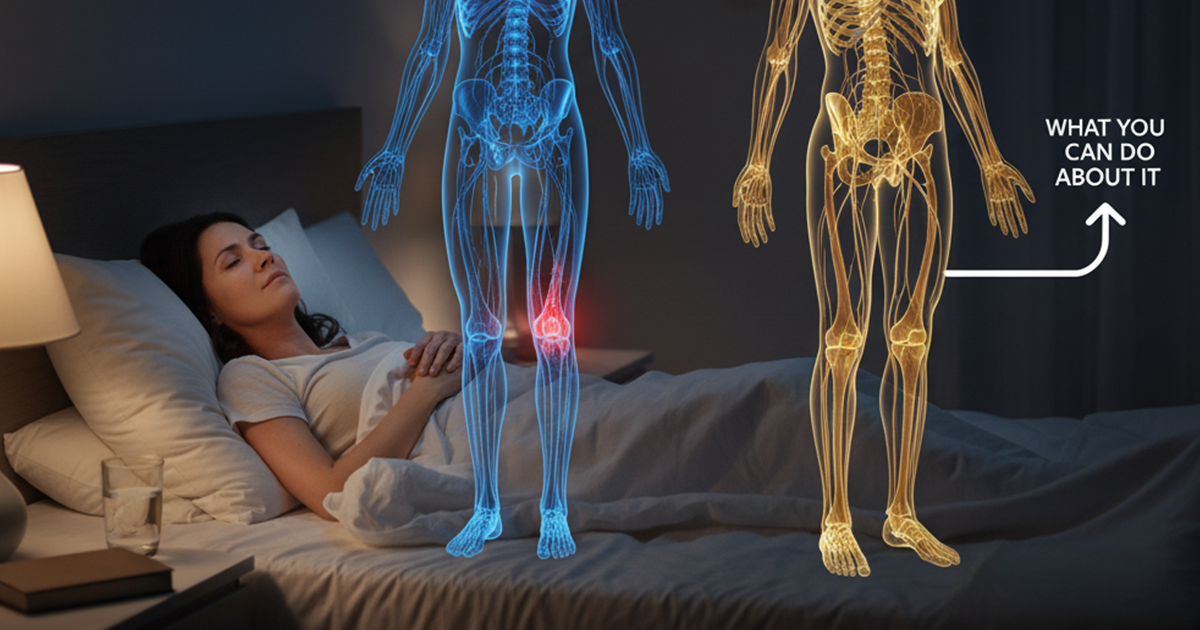
Why Sleep Is Crucial for Nerve Repair
Your body does most of its healing while you sleep. During deep rest, cells regenerate, inflammation subsides, and oxygen delivery improves. For people suffering from neuropathy, this period of restoration is critical—because nerves rely on oxygen and energy to repair.
At Premier Health Institute Los Angeles, we emphasize sleep as a foundational pillar of nerve recovery. Without it, even the best oxygen and circulation therapies work slower, because the body doesn’t get the downtime it needs to heal.
How Poor Sleep Slows Nerve Healing
When you don’t sleep well, your body enters a stress state that limits blood flow, raises inflammation, and interferes with nerve communication. Over time, chronic sleep deprivation can cause or worsen neuropathy symptoms.
Here’s how:
- Reduced Oxygenation: Low-quality sleep decreases oxygen saturation in the blood, starving nerves of fuel.
- Increased Inflammation: Stress hormones like cortisol rise at night when sleep is poor, keeping inflammation active.
- Lower Cellular Energy (ATP): The mitochondria, which produce nerve energy, work less efficiently without proper rest.
- Weakened Circulation: Blood vessels constrict during periods of sleeplessness, further reducing oxygen flow.
- Slower Myelin Repair: The protective sheath around nerves regenerates mainly during deep sleep.
Without consistent rest, the healing process simply can’t complete itself.
Patient Story: Restoring Rest and Recovery
A 61-year-old Los Angeles patient came to our clinic with diabetic neuropathy and severe insomnia. She had been waking every hour due to burning sensations in her feet. After combining oxygen therapy with vagus nerve activation and guided relaxation techniques, she began sleeping through the night for the first time in years.
She said, “Once I started sleeping again, the pain started fading. It felt like my body finally had the energy to heal.”
Her case demonstrates how sleep and nerve recovery are directly connected.
The Science of Sleep and Nerve Regeneration
During deep and REM sleep stages, your body increases blood flow to repair tissues and nerve cells. Growth hormones rise, inflammation decreases, and oxygen is distributed more evenly throughout the body.
This is when nerves rebuild their myelin sheath—the insulation that allows for smooth signal transmission. Without enough time in these restorative phases, nerve healing slows dramatically.
That’s why improving sleep quality is often the key to unlocking faster recovery in neuropathy patients.
How Oxygen Therapy Improves Sleep and Healing
Oxygen therapy does more than heal nerves—it also enhances sleep quality by stabilizing oxygen levels throughout the night. When oxygen saturation remains steady, the body can relax, breathing becomes smoother, and deep sleep cycles are easier to maintain.
Patients frequently report fewer nighttime awakenings, less leg discomfort, and a calmer, more restorative rest after just a few sessions.
The Role of the Vagus Nerve in Better Sleep
The vagus nerve controls the body’s rest-and-digest response. When it’s properly activated, heart rate slows, breathing deepens, and the mind relaxes.
Our Vagus Nerve Activation Therapy helps patients achieve this natural calm, reducing nighttime anxiety and pain sensitivity. Combined with oxygen therapy, it helps regulate the body’s circadian rhythm and improve overall sleep quality.
Natural Ways to Improve Sleep and Support Nerve Healing
- Establish a consistent bedtime — go to bed and wake up at the same time daily.
- Limit caffeine and alcohol — both reduce oxygen flow and disrupt deep sleep.
- Practice deep breathing before bed — oxygenates your body and calms the nervous system.
- Avoid screens 1 hour before bed — blue light suppresses melatonin production.
- Keep your room cool and dark — optimal temperatures improve circulation and comfort.
- Stretch lightly — gentle movement promotes oxygen flow to the legs and feet before rest.
These small habits can significantly enhance both your sleep and your body’s ability to regenerate nerve tissue.
Frequently Asked Questions
Can poor sleep actually cause neuropathy?
Yes. Long-term poor sleep increases inflammation and reduces circulation, both of which can lead to nerve dysfunction.
Will improving my sleep speed up nerve healing?
Absolutely. Quality sleep enhances oxygen absorption, circulation, and energy production—all essential for nerve repair.
How can I tell if I’m getting restorative sleep?
You should wake up feeling refreshed, not fatigued. If you still feel exhausted, your body may not be entering deep sleep stages.
The Takeaway
Healing your nerves starts with healing your sleep. Each night of rest gives your body the oxygen, circulation, and recovery time it needs to rebuild damaged tissue. Without that foundation, nerve regeneration slows to a crawl.
At Premier Health Institute Los Angeles, we combine oxygen therapy, circulation support, red-light therapy, and vagus nerve activation to help patients sleep deeper, recover faster, and wake up feeling alive again.